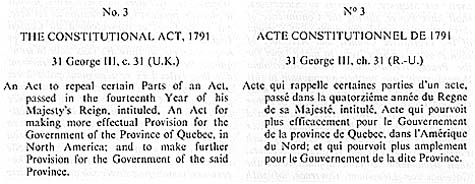
The Constitutional Act, 1791
To better represent the increased population in Canada after the American Revolution, the British Parliament passed the Constitutional Act to create the colonies of Upper Canada (now Ontario) and Lower Canada (now Quebec), each with their own colonial administration.
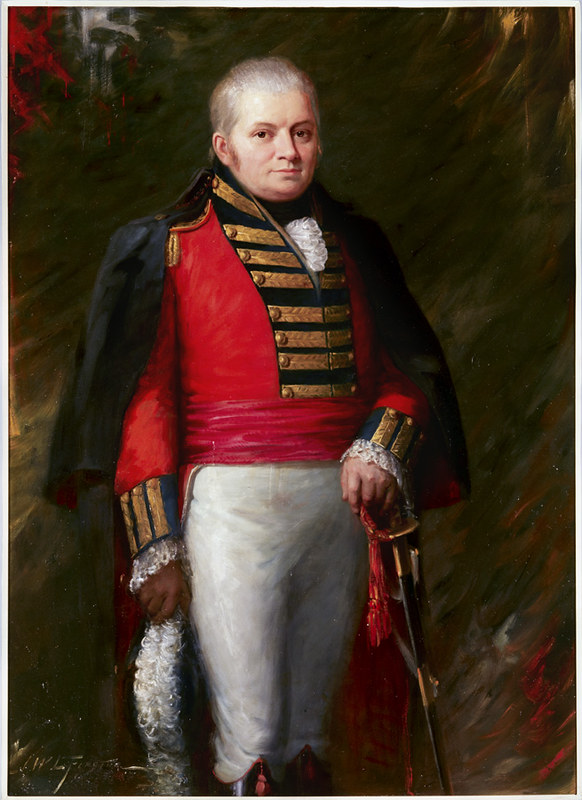
Lieutenant Governor John Graves Simcoe
John Graves Simcoe was appointed the first Lieutenant Governor of Upper Canada by the British Parliament after the passage of the Constitutional Act in 1791. He travelled to Canada the following year with his wife, Elizabeth, and one of three daughters.
Image: Forster, J.W.L. (ca. 1900). Colonel John Graves Simcoe [Oil on canvas] ©Government of Ontario Art Collection, Archives of Ontario
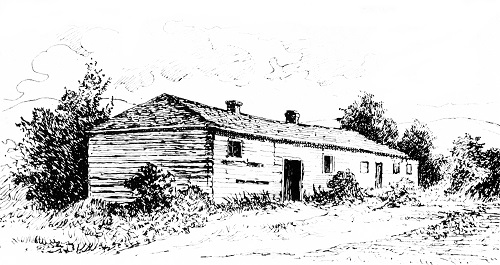
Navy Hall, Newark (Niagara-on-the-Lake)
Although other locations at Newark (now Niagara-on-the-Lake) were used for meetings of Upper Canada’s Legislature, Navy Hall – one of a set of military structures on the banks of the Niagara River - is considered the principle site in town where much of the activity of the new colonial government took place.
Image: ©Toronto Public Library
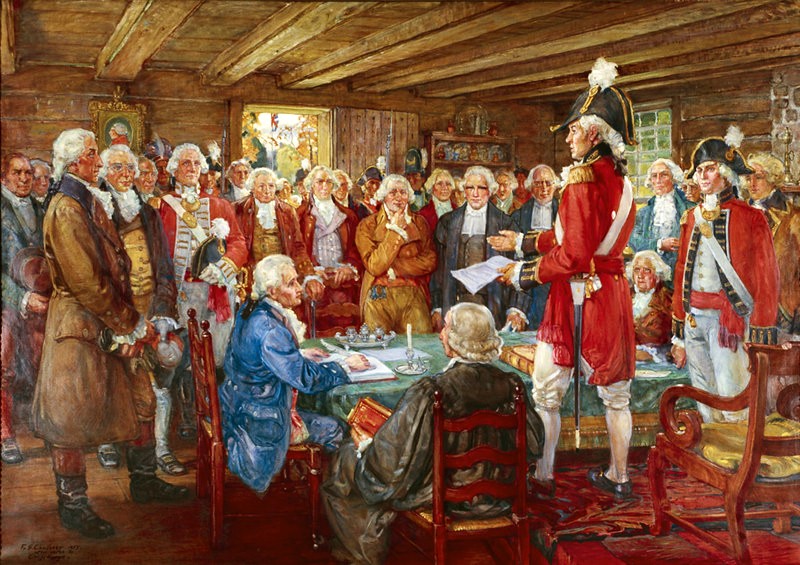
First Meeting of the Legislature of Upper Canada, 1792
Overseen by Lieutenant Governor John Graves Simcoe, the elected Legislative Assembly of Upper Canada meets for the first time at Newark (now Niagara-on-the-Lake) on September 17, 1792.
Image: Challener, Frederick Sproston (1955). The First Legislature of Upper Canada [Oil on canvas] ©Government of Ontario Art Collection, Archives of Ontario
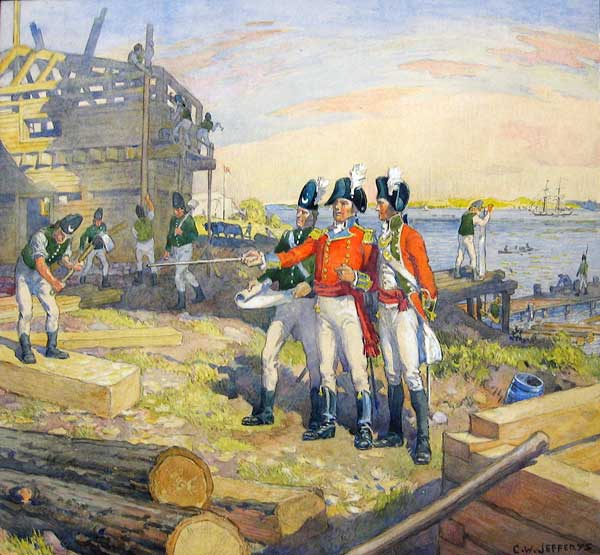
Lieutenant Governor John Graves Simcoe at York, 1793
Lieutenant Governor John Graves Simcoe founded the town of York (now Toronto) on the north shore of Lake Ontario, making it the location of Upper Canada’s new capital. Plans get under way to construct buildings at York, including the province’s first purpose-built Legislature.
Image: Jefferys, Charles W. (1903). Simcoe at the Building of Fort York, 1793 [Watercolour] ©Library and Archives Canada
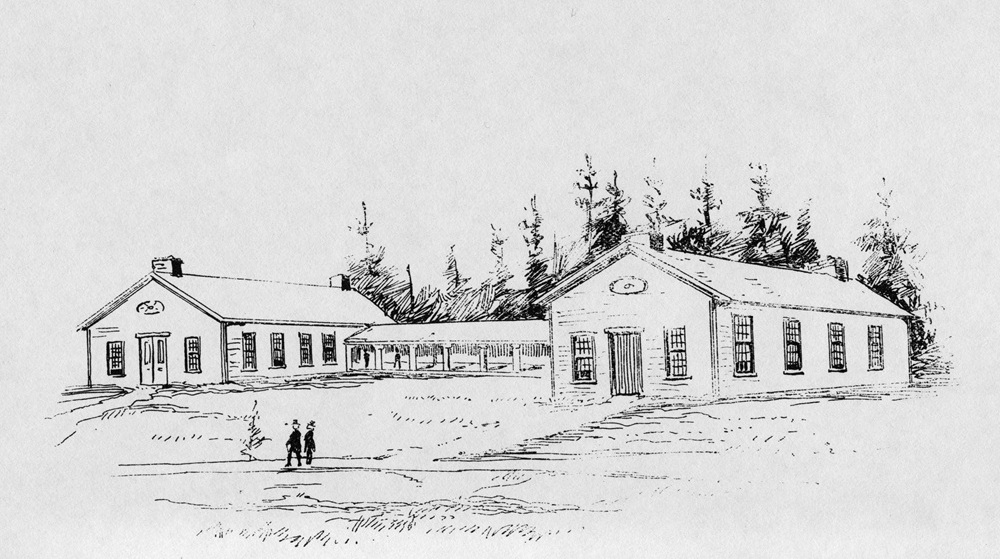
Upper Canada's First Parliament Buildings (1797 - 1813)
The first meetings of the Legislative Assembly of Upper Canada at York (now Toronto) took place in June, 1797. The Palace of Government – the name of the colony’s new Parliament Buildings – was the town’s first brick building, located on Front Street East.
Image: ©Toronto Public Library
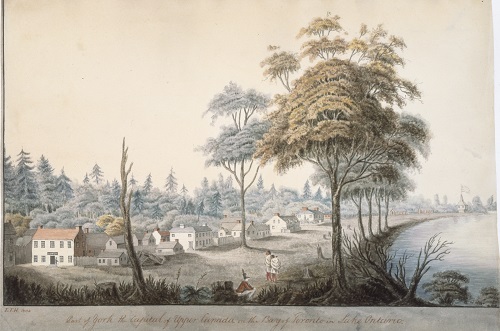
York c.1804
Much of the legislation passed during the earliest sessions of Upper Canada’s Legislature deal with the establishment of services in the colony, such as the clearing of land and the creation of roads. This watercolour by Elizabeth Hale depicts the capital of York (now Toronto), around 1804.
Image: Hale, Elizabeth Frances (1804). Detail from watercolour of York, Upper Canada. ©Library and Archives Canada
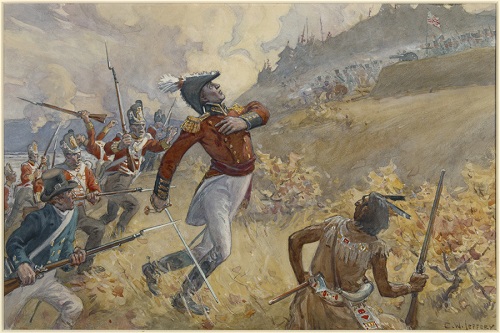
The War of 1812
The United States of America declares war on the United Kingdom in June – the War of 1812 begins. General Sir Isaac Brock – also acting as Administrator of Upper Canada - is mortally wounded at the Battle of Queenston Heights in October, 1812.
Image: Jefferys, C.W. (1908). The Death of Brock at Queenston Heights [Watercolour] ©Government of Ontario Art Collection, Archives of Ontario
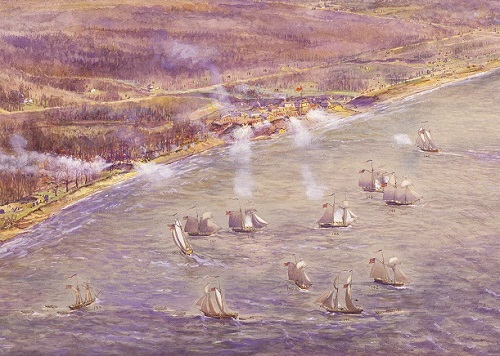
The Battle of York, April 27, 1813
On April 27, 1813, American troops attack York (now Toronto), occupying the town for several days and burning down the Palace of Government, meeting place of the Legislative Assembly of Upper Canada.
Image: Staples, Owen, Panorama of the Battle of York (1914) ©Toronto Public Library
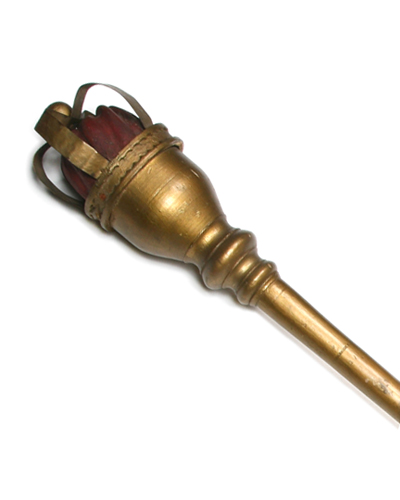
First Mace of Upper Canada
Captured by American soldiers during the Battle of York in 1813, the first Mace of Upper Canada was displayed at the US Naval Academy Museum until it was returned to Ontario in 1934. It is currently on display at the Legislative Assembly of Ontario.
The Mace represents the authority of the Crown and must be present in the Legislative Chamber in order for the Assembly to conduct its business. The Sergeant-at-Arms is responsible for ushering it in and out of the Chamber each day that the House is in session.
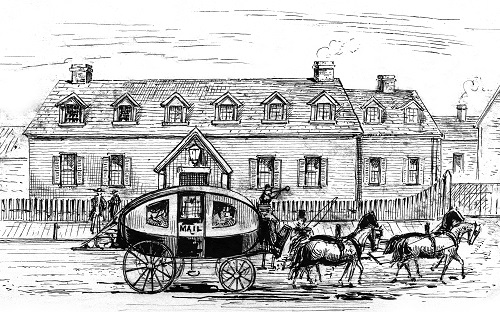
Jordan's Hotel, York
Following the War of 1812 and the destruction of Upper Canada’s first Legislative Building, meetings of the Legislature take place in several locations at York, including Jordan’s Hotel and the residence of the Chief Justice.
Image: ©Toronto Public Library