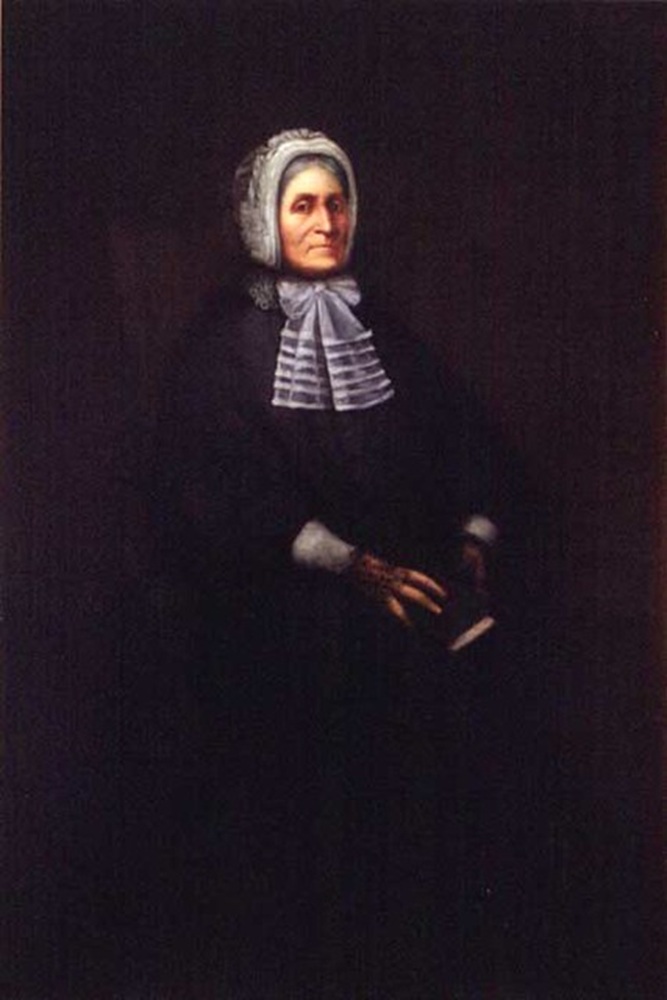
Peel, Mildred (1904). Laura Secord [Oil on canvas] ©Government of Ontario Art Collection, Archives of Ontario
Laura Secord lived with her husband and children in American‑occupied Queenston during the summer of 1813 – a time when residents lived in fear after the U.S. capture of Newark (Niagara-on-the-Lake). On June 21, when American soldiers entered the Secord home demanding food, Laura overheard them discussing plans to attack Captain James Fitzgibbon at Beaver Dams. With her husband injured and unable to travel, she set out alone before dawn on June 22 to warn Fitzgibbon about the upcoming attack, trekking nearly 32 km through woods to avoid American patrols. After encountering a First Nations encampment, she explained her mission and the warriors accompanied her for the rest of the journey. She reached Beaver Dams by nightfall, and though Fitzgibbon already suspected American movement, her confirmation allowed him to alert nearby British forces and call for reinforcements. Two days later, Fitzgibbon’s small unit, supported by roughly 400 First Nations warriors, forced the American troops to surrender – a victory that demoralized U.S. forces and contributed to their withdrawal from the region later that year.
Artist Mildred Peel painted the portrait of Laura Secord in 1904 that hung for many years outside the Legislative Chamber. In 1936, rumours had been circulating that a second painting was hidden on the canvas and Premier Mitch Hepburn ordered it to be X-Rayed. The scan revealed a portrait of former Premier George Ross (1899-1905) under that of Secord. A Queen’s Park reporter wrote an article about the results with a headline exclaiming: "X-Rays Show Laura Secord in the Lap of Premier Ross." Premier Ross had gone on to marry Mildred Peel once he left office, adding to the controversy about the painting. It now resides in the Speaker’s Dining Room next to a copy of the X-Ray.